Home / Workshop Tools & Safety
Workshop Safety Rules and Hydraulic Lift Operation Guide for Car Repair
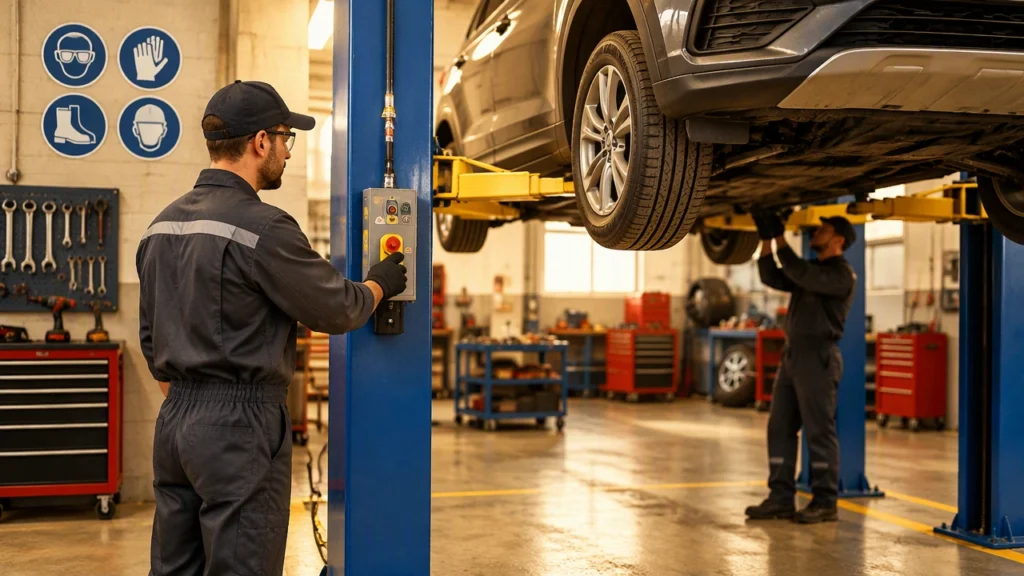
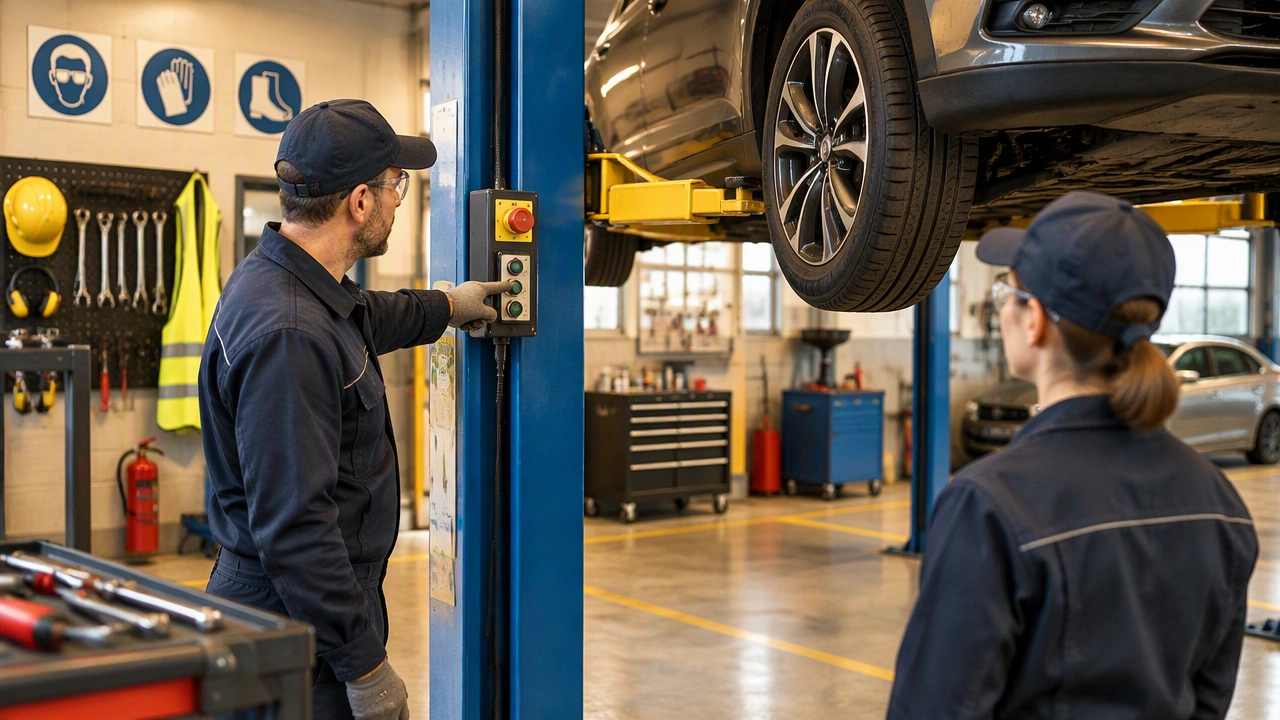
Every car repair begins with safety. A tidy floor, clear signage, and disciplined routines protect technicians, apprentices, and visitors while helping work proceed smoothly. This workshop safety rules and hydraulic lift operation guide explains how to prepare a bay, choose protective gear, and use lifting equipment correctly, so routine jobs stay predictable and unusual problems remain manageable.
Safe work is not about memorizing a poster. It is about building habits that slow the job just enough to think, check, and confirm before hands, tools, and vehicles move. The best shops combine written procedures with coaching, near-miss reporting, and regular audits. When people feel responsible for their own safety and the safety of others, small issues get resolved before they become costly incidents.
Foundations of workshop safety
Start with housekeeping. Floors should be clean and dry, with spills absorbed immediately and waste removed to labeled containers. Walkways and emergency exits must remain unobstructed. Lighting should be bright enough to read labels and see fluid leaks, and ventilation must carry away exhaust and paint fumes. Good airflow also reduces headaches and fatigue, which are common contributors to mistakes.
Chemical safety is central in car repair. Batteries, brake fluid, coolant, oils, solvents, and adhesives can irritate skin, damage eyes, or release harmful vapors. Store chemicals in approved cabinets, keep containers sealed, and read safety data sheets before first use. If a product has strong fumes, use local extraction or work outdoors when possible. Never transfer chemicals into food or drink containers.
Tool safety is another foundation. Inspect power tools before use, checking cords, guards, and switches. Use the right tool for the job and keep blades, bits, and sockets sharp and clean. When a tool behaves oddly, stop and investigate rather than forcing it. Small electrical faults, wobble, or unusual vibration often point to wear that is cheaper to fix early.
Fire safety deserves constant attention. Keep a charged extinguisher rated for fuel and electrical fires within reach, and ensure staff know how to use it. Store oily rags in a sealed metal bin to reduce the risk of spontaneous combustion. Fuel systems should be opened carefully, with bonding straps used when necessary and no ignition sources nearby.
Personal protective equipment in the workshop
Protective gear is the last line of defense, but it is still essential. Safety glasses or goggles shield eyes from metal chips, dust, and splashes. Hearing protection reduces the impact of impact wrenches, grinders, and air compressors. Gloves should be suitable for the task: thin nitrile gloves for oils and chemicals, cut-resistant gloves for handling sharp panels, and heat-resistant gloves near exhaust components. Avoid loose gloves near rotating tools.
Foot protection matters more than many people realize. Steel-toe or composite-toe boots protect against dropped parts and rolling wheels. Non-slip soles help on smooth concrete that may be oily. In colder climates, insulated boots keep feet comfortable without sacrificing protection.
Respiratory protection should match the contaminant. Dust from brakes and suspension parts can contain harmful materials, so use appropriate filters or supplied-air systems for grinding, sanding, or cleaning with strong solvents. When welding or cutting, use a helmet with the correct filter shade and ensure local exhaust removes fumes from the breathing zone.
Hydraulic lift operation: setup, use, and shutdown
Hydraulic lifts are powerful and precise, yet they demand respect. Before raising any vehicle, walk around the bay and remove tools, carts, and loose items that could fall or block movement. Confirm that the floor around the lift is in good condition and that overhead clearance is sufficient for the vehicle plus any roof racks or antennas.
Check the lift itself. Look for fluid leaks, damaged pads, cracked cables, and worn hooks or arms. Test the controls at low height first, listening for smooth operation and watching for uneven movement. If anything feels rough or inconsistent, stop and report it. Routine maintenance should follow the manufacturer schedule, and inspections should be documented.
Position the vehicle carefully. Center it on the lift and align the lifting points with the manufacturer’s recommended locations, which are usually reinforced areas on the chassis or pinch welds. Use proper adapters or pads to spread the load and prevent damage. Before raising the vehicle fully, lift it a few inches, pause, and perform a gentle shake test. This simple check confirms stability before the car leaves the ground.
While the vehicle is raised, keep the work area organized. Place removed parts in labeled bins, run air lines and power cords so they do not snag, and avoid walking under a vehicle that is supported only by jacks. If you must work under a car, use rated stands in addition to the lift. Never trust a single support when a second layer of protection is available.
Lowering the vehicle deserves the same attention as raising it. Clear the area, verify that no tools or parts are resting on the frame, and lower slowly while watching for movement. After the car is on the ground, retract arms or adapters, turn off the lift, and secure the bay. A final check prevents the next technician from starting with an unexpected surprise.
Emergency readiness and continuous improvement
Even with strong habits, incidents can happen. A clear emergency plan should cover injury response, spill containment, fire response, and communication with emergency services. First-aid kits must be stocked and accessible, and trained staff should be available on every shift. Regular drills help people act calmly and quickly when real events occur.
Training should never end after onboarding. Short toolbox talks, periodic refresher courses, and peer coaching keep safety fresh in daily routines. Encourage technicians to report near misses without blame. These reports often reveal small design or process issues that can be solved with simple changes, such as moving a tool cart, adding a non-slip mat, or adjusting lighting.
Finally, remember that safety supports quality and efficiency. Vehicles that are lifted correctly are easier to inspect, and clean, organized bays reduce wasted motion. When workshops invest in protective gear, clear procedures, and disciplined lift use, they create a calmer environment where skilled work can shine.